

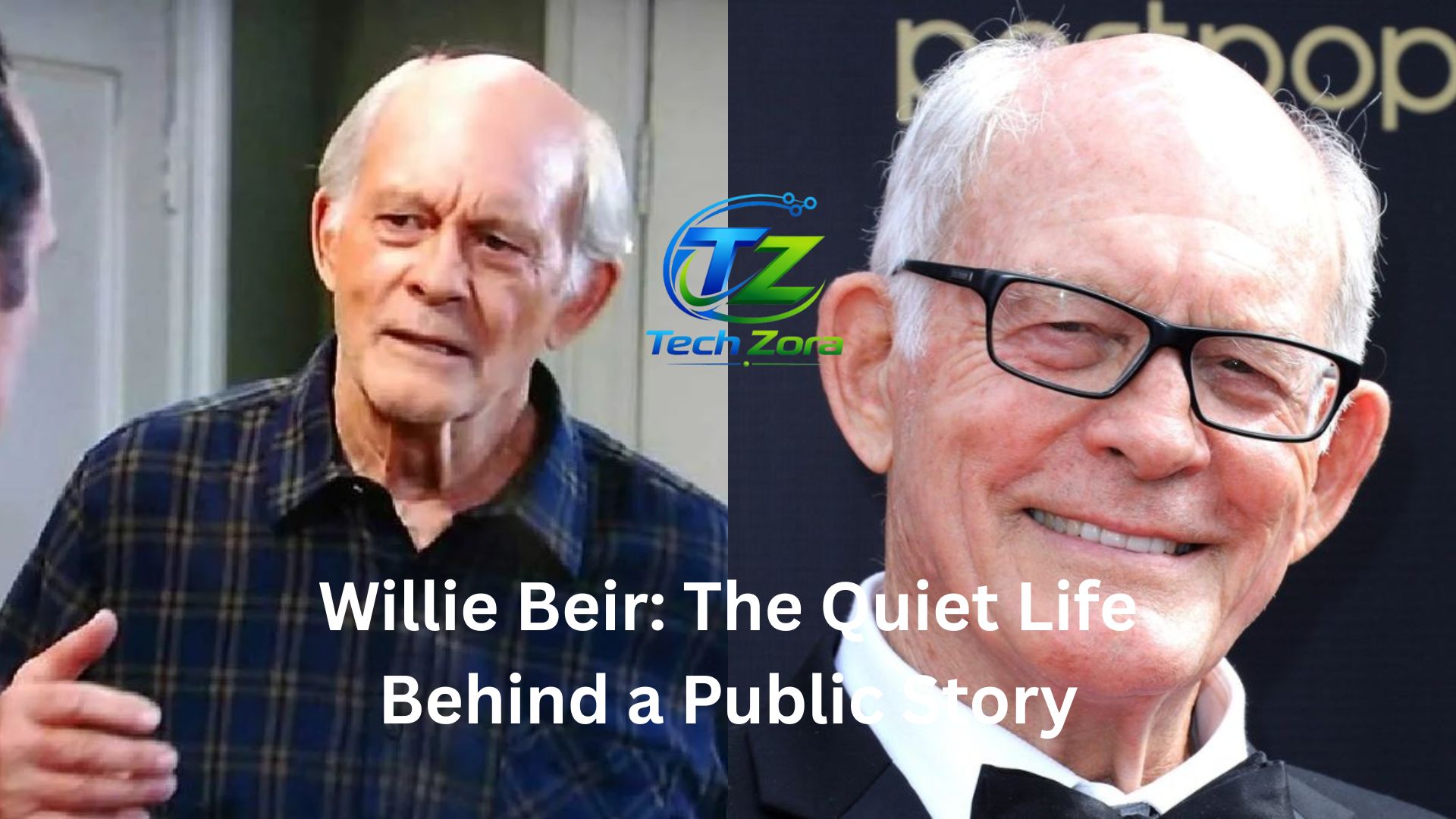
Some names don’t show up in headlines often, yet they sit right at the center of deeply human stories. Willie Beir is one of those names. If you’ve come across her at all, it’s probably in connection with actor Max Gail. But reducing her to “someone’s wife” misses the point entirely. Her life—though largely private—left a real imprint, especially on the people closest to her.
What makes her story interesting isn’t fame. It’s how ordinary life, love, illness, and loss can shape something meaningful without ever needing a spotlight.
Let’s talk about that.
A Life Lived Mostly Out of View
There’s not a flood of public records about Willie Beir, and honestly, that feels fitting. Not everyone builds their life in front of an audience. Some people build it in living rooms, in quiet routines, in shared jokes no one else hears.
Willie Beir was married to Max Gail, known for his role as Detective Stan “Wojo” Wojciehowicz on Barney Miller. If you’ve ever watched that show, you know Gail had a grounded, approachable presence. The kind of guy who feels real. That kind of authenticity usually doesn’t come from nowhere.
Behind that kind of person, there’s often a partner who helps anchor things. By all accounts, Willie played that role in a steady, unflashy way.
Think about it: actors deal with unpredictable schedules, public attention, and constant pressure to perform. Coming home to someone who isn’t caught up in that world can be a kind of reset. A return to normal.
That was part of her quiet influence.
Love That Felt Real, Not Performed
Let’s be honest—celebrity relationships often feel a bit… staged. Public appearances, red carpets, carefully managed interviews. Even when they’re genuine, they can look like part of the job.
Willie and Max’s relationship didn’t follow that script.
They kept things private. Not secretive, just not on display. There’s a difference. It suggests a relationship built more on living than on showing.
Picture a regular evening: dinner at home, maybe a conversation about the day, maybe nothing special at all. Those moments don’t make news, but they’re the ones that build a life.
That’s the kind of connection people who knew them often hinted at—something grounded, steady, and real.
When Illness Changes Everything
Then came the part of the story no one plans for.
Willie Beir was diagnosed with cancer. That single word tends to rearrange everything around it. Plans shift. Priorities snap into focus. The future gets replaced by the present, whether you’re ready or not.
If you’ve ever known someone going through serious illness, you understand how quickly life narrows. Suddenly it’s about appointments, treatments, energy levels. Small wins matter more. A good day isn’t abstract—it’s specific.
For a couple, this kind of situation either fractures things or deepens them. There’s not much middle ground.
From what’s been shared publicly, Willie and Max faced that period together in a way that spoke to the strength of their relationship. Not dramatically. Not for show. Just… consistently.
Sometimes strength looks like big gestures. Other times it’s quieter—being there, day after day, even when there’s not much you can fix.
Loss That Doesn’t End the Story
Willie Beir passed away in 1986.
Loss like that doesn’t wrap up neatly. It doesn’t come with a clear resolution or a lesson tied in a bow. It lingers. It reshapes the person left behind.
Max Gail has spoken over the years about how her death affected him. Not in a sensational way, but in a reflective one. Grief has a way of doing that—it forces a kind of honesty.
Imagine building a life with someone and then suddenly having to continue without them. Same world, same routines, but everything feels off. Even ordinary things—like making coffee or hearing a certain song—can hit differently.
That’s the part people don’t always talk about. Grief isn’t just about the big moments. It’s about all the small ones that follow.
The Ripple Effect of a Private Life
Here’s something interesting: even though Willie Beir stayed out of the public eye, her influence didn’t disappear with her.
It showed up in how Max Gail talked about life afterward. In the roles he chose. In the way he approached things with a little more depth, a little more perspective.
That’s the thing about relationships—they don’t end cleanly when someone’s gone. They keep shaping you.
You can see it in everyday life too. Think of someone who taught you something small but lasting—how to cook a certain meal, how to handle stress, how to look at a problem differently. Even if they’re no longer around, that influence sticks.
Willie’s story fits into that idea. Quiet impact. Lasting presence.
Why Stories Like Hers Matter
At this point, you might be wondering why someone like Willie Beir deserves this much attention.
Fair question.
We tend to focus on visible achievements—awards, titles, public milestones. But a lot of life’s real value happens outside those markers.
Supporting someone through their career. Building a stable home. Facing illness with dignity. Loving someone in a way that changes them.
Those things don’t trend. They don’t get headlines. But they matter.
In fact, they’re often the foundation that allows more visible success to happen in the first place.
Think about any high-performing person you know. There’s usually someone behind the scenes helping hold things together. Not in a dramatic way. Just consistently.
That’s the role Willie Beir played.
A Different Kind of Legacy
Legacy is usually framed as something big—something the world recognizes. But there’s another version that’s quieter and, in some ways, more relatable.
It’s the way you affect the people closest to you.
Willie’s legacy lives in memory, in personal stories, in the way she influenced her husband’s life and perspective. It’s not something you can easily measure, but it’s real.
And honestly, that kind of legacy might be more common—and more meaningful—than the public kind most people chase.
You don’t need a wide audience to leave a mark. Sometimes a small circle is enough.
What You Can Take From Her Story
There’s no neat formula here, but a few things stand out.
First, privacy isn’t a lack of importance. It can be a choice. Willie Beir didn’t live publicly, yet her life still had depth and impact.
Second, relationships built on everyday moments tend to be the ones that hold up under pressure. Not the flashy ones. The steady ones.
And third, influence doesn’t require visibility. You can shape someone’s life in a lasting way without ever stepping into the spotlight.
If you think about your own life, there are probably people who’ve done exactly that for you.
Closing Thought
Willie Beir’s story isn’t loud. It doesn’t come with dramatic twists or public milestones. But it carries something just as important—a reminder that a meaningful life doesn’t need an audience.
Sometimes it’s built quietly, in shared time, in support, in presence.
And sometimes, that’s exactly what makes it last.








Leave a Reply