

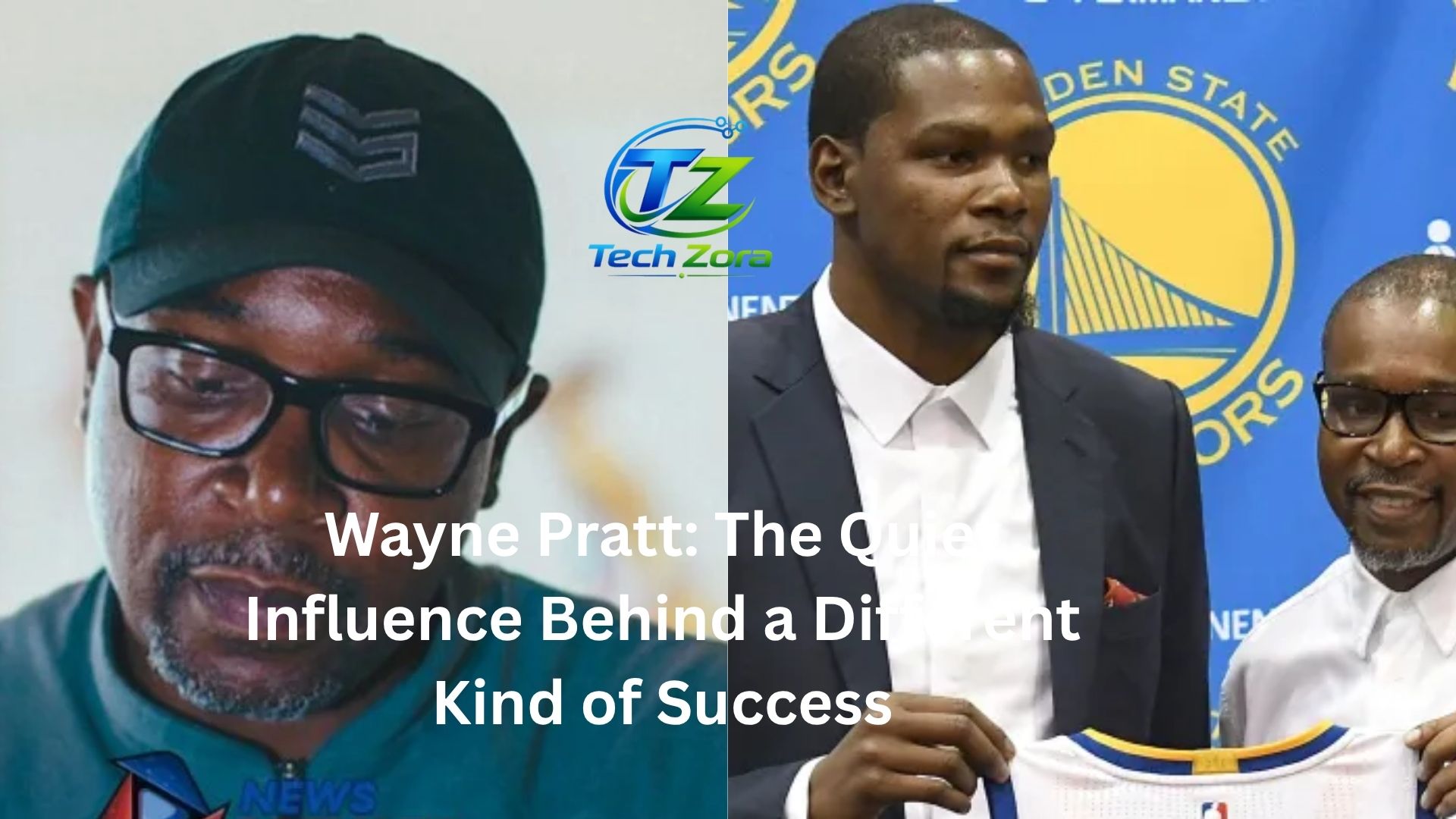
Some people build careers by staying loud. Others do it by staying steady.
Wayne Pratt belongs firmly in the second group.
He’s not the kind of public figure who floods headlines every week or turns every business move into a personal brand campaign. And honestly, that’s part of what makes his story interesting. In a world built around visibility, Pratt’s career shows what can happen when someone focuses more on long-term decisions than short-term attention.
People who know the Canadian business and energy sectors have heard his name for years. Especially those connected to geology, resource development, and energy investing. But outside those circles, Wayne Pratt remains surprisingly under the radar considering how much influence he’s had.
That contrast says a lot.
Wayne Pratt’s Career Didn’t Follow the Typical Executive Script
A lot of executives today seem manufactured. Same polished interviews. Same buzzwords. Same “visionary leadership” phrases repeated over and over.
Wayne Pratt came from a more technical and grounded background.
Before moving into executive leadership, he built his reputation through geology and resource exploration. That matters because people who start in technical fields often approach business differently. They tend to care more about evidence than hype. More about risk calculation than storytelling.
You can usually spot the difference pretty quickly.
Someone who spent years studying rock formations and evaluating energy potential isn’t likely to get carried away by flashy trends. The work itself forces patience. You either understand the data or you don’t. Nature doesn’t care about optimism.
That mindset shaped Pratt’s professional identity for decades.
And honestly, it probably helped him avoid a lot of mistakes others made during energy booms.
The Energy Industry Rewards Patience More Than People Think
Here’s the thing about the oil and gas world: outsiders often assume it’s all fast money and aggressive deals.
Sometimes it is. But the people who last tend to operate differently.
Commodity markets rise and crash. Political rules change overnight. Projects that look brilliant one year suddenly become liabilities the next. It’s one of the most volatile industries on the planet.
Wayne Pratt built a reputation as someone who understood those cycles rather than fighting them.
That’s not glamorous. It doesn’t create dramatic headlines. But it creates stability.
And stability becomes incredibly valuable when markets get ugly.
If you’ve ever watched inexperienced investors jump into a booming sector late, convinced prices can only go higher, you already understand the danger. The energy sector has humbled a lot of smart people over the years.
Pratt’s career reflects a more measured approach. Less emotional. More strategic.
That style may not dominate social media clips, but it tends to age well.
Why Technical Leaders Often Earn More Respect
There’s an interesting dynamic in industries like energy, mining, and engineering.
People can usually tell when a leader actually understands the underlying work.
Employees notice it immediately. Investors notice too.
Wayne Pratt came from a geological background, which gave him credibility that purely financial executives sometimes struggle to earn. He wasn’t simply reading reports prepared by other people. He understood the science behind the business decisions.
That changes conversations inside companies.
Imagine sitting in a meeting discussing a potential resource project worth millions of dollars. One executive understands only the financial upside. Another understands both the finances and the geological realities underneath the proposal.
Who do you trust more?
Most people would pick the second person.
That kind of technical grounding creates confidence because it reduces the chance of reckless decisions based purely on market excitement.
And let’s be honest, energy history has plenty of examples where excitement got completely out of control.
Leadership Without Constant Self-Promotion
Modern business culture sometimes treats visibility as proof of competence.
But those aren’t the same thing.
Some leaders are exceptional performers and terrible self-promoters. Others are world-class marketers with average decision-making skills. The challenge is figuring out which is which.
Wayne Pratt’s public profile has always been relatively restrained compared to many executives in high-value industries. You don’t see endless motivational quotes attached to his name. He’s not trying to become an online celebrity.
There’s something refreshing about that.
It creates the impression of someone focused on work instead of image management.
Now, to be fair, public communication matters. Investors want transparency. Employees want leadership visibility. But there’s a difference between communicating effectively and constantly performing for attention.
Pratt’s style leans more toward substance than performance.
That approach doesn’t always generate headlines, but it often earns deeper professional respect over time.
The Canadian Energy Context Matters
You can’t really talk about Wayne Pratt without understanding the environment he worked in.
Canada’s energy industry occupies a strange position globally. It’s enormously important economically, yet constantly pulled into political and environmental debates. Executives operating in that space deal with pressure from every direction.
One year the focus is growth.
The next year it’s emissions.
Then infrastructure battles take over the conversation. Then global pricing swings reshape investment priorities again.
There’s very little stability.
Managing within that environment requires more than technical skill. It demands adaptability and emotional discipline. Leaders who panic during downturns often make terrible long-term decisions.
Wayne Pratt’s career unfolded during periods when the energy sector experienced both enormous opportunity and intense criticism. Navigating that balance isn’t simple.
Especially in Canada, where resource development conversations can become deeply polarized.
Experience Still Counts, Even If People Pretend It Doesn’t
There’s a modern tendency to glorify disruption and undervalue experience.
Every industry goes through phases where younger voices insist older methods are obsolete. Sometimes they’re right. Innovation matters. But there’s also a reason experienced operators survive for decades in difficult sectors.
They’ve seen patterns repeat.
Wayne Pratt’s long career gave him exposure to market cycles, operational risks, and strategic decisions that younger executives simply haven’t lived through yet. That kind of perspective becomes valuable during uncertainty.
A person who survived multiple industry downturns tends to react differently when pressure builds.
Calmer. More selective. Less reactive.
Think about someone who’s driven through snowstorms for twenty winters compared to a brand-new driver hitting icy roads for the first time. The experienced person isn’t fearless. They just recognize conditions faster.
Business works similarly.
Pratt’s reputation reflects that seasoned understanding.
The Human Side of Resource Industries Gets Ignored
One thing people outside the energy world often miss is how deeply local these industries can be.
Behind every drilling project or exploration initiative are communities, workers, contractors, and families whose livelihoods depend on long-term stability.
Executives in these sectors don’t just manage spreadsheets. Their decisions affect real towns and real people.
That responsibility changes the nature of leadership.
A bad strategic decision in resource industries can ripple outward for years. Jobs disappear. Local businesses suffer. Entire regions feel the impact.
That’s why measured leadership matters more than dramatic leadership in sectors tied closely to regional economies.
Wayne Pratt operated in a field where decisions carried practical consequences far beyond boardrooms.
And while public discussions often reduce energy debates into political talking points, people inside the industry know how interconnected everything becomes.
Reputation Builds Slowly and Breaks Fast
There’s an old business truth that still holds up: reputation compounds.
Especially in industries where relationships matter.
The energy sector is smaller than many people think. People move between companies. Investors share information. Technical professionals remember who made smart decisions and who chased bad ideas.
Wayne Pratt developed a reputation tied to competence and steady leadership rather than spectacle.
That’s harder to build than hype.
You can generate temporary excitement through aggressive promises. Building lasting trust takes much longer. And maintaining it takes even more discipline.
A lot of executives underestimate this.
They focus on quarterly impressions instead of long-term credibility. But over time, credibility becomes one of the few things markets consistently reward.
Pratt’s career reflects that slower, more durable model of professional success.
Not Every Influential Figure Becomes a Household Name
There’s an assumption today that important people automatically become famous.
That’s not really true.
Some of the most influential individuals in business operate almost entirely outside mainstream public attention. They shape industries quietly through expertise, relationships, and strategic decisions rather than public visibility.
Wayne Pratt fits into that category.
People deeply connected to Canadian energy and resource sectors understand his significance more clearly than the average person scrolling through business news. And honestly, that’s common in technical industries.
Influence doesn’t always look dramatic from the outside.
Sometimes it looks like years of consistent judgment.
Sometimes it looks like avoiding catastrophic mistakes during unstable markets.
Sometimes it means building trust slowly enough that people stop questioning whether you deserve it.
That type of influence rarely trends online, but it often lasts longer.
The Bigger Lesson From Wayne Pratt’s Career
What makes Wayne Pratt interesting isn’t celebrity appeal.
It’s the contrast he represents.
His career pushes against a lot of modern assumptions about leadership and success. You don’t need constant visibility to build influence. You don’t need exaggerated branding to earn professional respect. And you don’t need to dominate every conversation to shape an industry.
In many ways, his path feels almost old-fashioned now.
Technical expertise. Patience. Strategic thinking. Long-term credibility.
Those qualities still matter, even if they’re less flashy than startup culture slogans or executive personal branding campaigns.
And maybe that’s the real takeaway.
The loudest people in business aren’t always the most effective ones. Sometimes the individuals making the biggest impact are the ones quietly doing difficult work year after year without turning themselves into the center of the story.
Wayne Pratt’s career reflects that quieter model of success.
Not glamorous all the time. Not built for viral attention.
But durable. And in volatile industries, durability counts for a lot.









Leave a Reply