
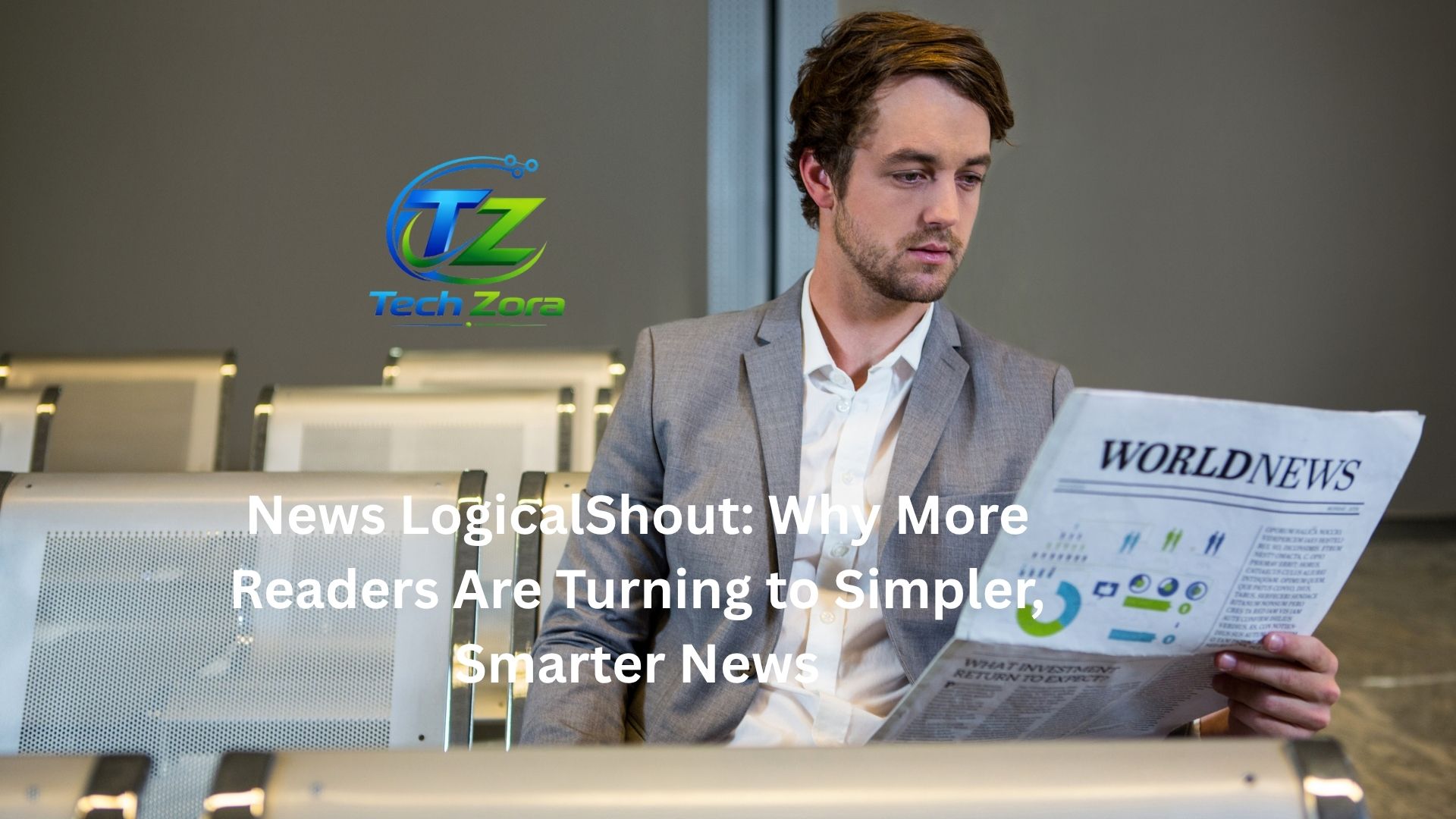
Keeping up with the news used to feel straightforward. You’d open a newspaper, watch the evening broadcast, maybe scroll through a few headlines during lunch, and that was enough. Now? Most people wake up to a flood of notifications before they’ve even had coffee.
That overload is exactly why platforms like News LogicalShout are getting attention.
People are tired of noisy headlines, rushed reporting, and stories stretched into ten paragraphs when three would do the job. They want updates that make sense quickly. Not dumbed down. Just clearer. More useful. Easier to trust.
News LogicalShout fits into that shift surprisingly well.
It’s become one of those names readers stumble across while searching for tech updates, digital trends, app news, finance explainers, or social media changes. Then they stick around because the writing feels more practical than performative.
And honestly, that matters more than ever.
The internet doesn’t have a news shortage anymore
It has a filtering problem.
Every major story now gets repeated hundreds of times within hours. One article becomes twenty videos, fifty reaction posts, and an endless stream of recycled summaries. Somewhere in the middle, the actual information gets buried under opinion and hype.
That’s where smaller digital news platforms have found an opening.
News LogicalShout works because it doesn’t try to sound like a giant newsroom. The tone is closer to a smart friend explaining what’s happening without turning everything into a dramatic event.
You see this especially in tech coverage.
Take a normal software update story. A lot of sites will frame it like the industry has completely changed overnight. Meanwhile, most readers are just wondering whether the update will affect their phone battery or privacy settings.
LogicalShout-style reporting tends to focus on the practical angle first. What changed? Why should people care? Is this actually useful or just marketing noise?
That approach sounds simple, but it’s surprisingly rare online.
Readers want clarity, not performance
There’s a reason more users now prefer digest-style news sources over traditional media websites packed with ads and autoplay videos.
People don’t want to fight through clutter to understand a headline.
A clean explanation wins.
News LogicalShout seems built around that idea. The content often breaks down topics in plain English without sounding overly simplified. That balance matters because readers today are smarter and more skeptical than many publishers assume.
Nobody wants to feel talked down to.
At the same time, nobody wants a wall of jargon either.
Think about cryptocurrency coverage for a second. A lot of finance sites either write as if everyone is an expert trader or as if readers have never used the internet before. There’s barely any middle ground.
Practical news platforms succeed because they hit that middle space.
They explain enough to make the topic useful while keeping the pace moving.
Tech news changed the game
One reason News LogicalShout has become more visible is because tech news itself changed.
Years ago, technology reporting mostly focused on product launches and industry insiders. Now tech affects almost every daily habit people have.
Banking apps. Food delivery. Online privacy. AI tools. Streaming subscriptions. Remote work platforms. Digital payments.
Even people who don’t consider themselves “tech people” still need to understand how these systems affect their lives.
That’s why accessible tech journalism matters now more than ever.
And let’s be honest, most users don’t have the patience to decode complicated reporting after a long workday. If somebody searches “WhatsApp new privacy update” or “Instagram feature explained,” they usually want a direct answer in under five minutes.
News LogicalShout seems to understand that behavior well.
The articles often focus on readability first instead of trying to impress readers with complexity.
Ironically, that usually makes the content more trustworthy.
The rise of explain-first journalism
Something interesting has happened over the past few years. Readers increasingly value explanation over exclusivity.
Breaking news still matters, of course. But most people aren’t refreshing pages every thirty seconds waiting for updates anymore. Social media already delivers headlines instantly.
What users really need is context.
Why does this story matter?
How does it affect regular people?
What should someone actually do with this information?
That’s the gap explain-first platforms fill.
For example, imagine a major app changes its subscription pricing. Traditional coverage might focus on company earnings or investor reactions. Everyday readers, meanwhile, are asking a simpler question:
“Am I about to pay more next month?”
Good digital news platforms answer the reader’s question first.
That sounds obvious, but many large publishers still write from the company perspective rather than the audience perspective.
LogicalShout-style reporting tends to feel more grounded because it starts with user impact.
Why younger readers prefer this style
Younger audiences consume information differently from previous generations. They’re used to scanning quickly, comparing sources fast, and leaving instantly if content feels bloated.
Attention isn’t automatically earned anymore.
A clean, conversational writing style works because it respects the reader’s time.
You can see this shift across the internet. Even serious topics now perform better when explained in direct, natural language instead of stiff corporate phrasing.
That doesn’t mean readers want shallow reporting.
Actually, the opposite is often true.
People are willing to read long articles if the writing feels human and useful. What they don’t tolerate well is unnecessary padding.
This is probably one reason why simpler digital publications continue growing while some legacy outlets struggle to connect with younger users.
The experience feels different.
More direct. Less theatrical.
Search habits are changing too
Another factor behind the growth of platforms like News LogicalShout is how people search online now.
Users ask more conversational questions than they used to.
Instead of typing:
“iPhone battery issue update”
They’ll search:
“Why is my iPhone battery draining after update?”
That shift matters because search engines increasingly reward content that answers real human questions clearly.
Readers aren’t looking for perfectly polished corporate language. They want practical explanations written in normal speech.
Sites that adapt to this trend naturally perform better.
And honestly, some older news websites still haven’t adjusted. They write headlines for editors instead of readers.
Smaller digital platforms often move faster because they understand internet behavior more intuitively.
Trust is becoming personal again
Big media brands used to dominate purely through reputation. That still matters, but audiences now evaluate trust differently.
Readers pay attention to tone.
Does the article sound exaggerated?
Does it answer the obvious questions?
Does the writer seem focused on helping or simply driving clicks?
Those small signals shape credibility online.
News LogicalShout appears to benefit from a calmer style compared to highly sensational outlets. The reporting often feels more measured, even when covering trending stories.
That balance is valuable because internet users are exhausted by constant outrage cycles.
Not every update needs dramatic language.
Sometimes people just want straightforward information delivered clearly.
The problem with “always urgent” news
Modern digital media has a bad habit of treating every story like a global emergency.
A social platform tests a new feature and suddenly headlines act like civilization changed overnight.
After a while, readers stop trusting the emotional tone entirely.
This is where practical news writing stands out.
When a platform explains developments without exaggerated urgency, readers feel less manipulated. They’re more likely to return because the experience feels calmer and more respectful.
It’s similar to having one friend who always overreacts versus another who explains things rationally. Eventually, you know which person you’d rather ask for advice.
News LogicalShout seems closer to the second type.
Mobile readers changed content forever
Most news today gets consumed on phones, usually during fragmented moments throughout the day.
Standing in line.
Commuting.
Waiting for a meeting.
Half-watching TV while scrolling.
That behavior changed how effective online writing works.
Dense blocks of text lose readers quickly. Overcomplicated intros fail immediately. Articles need movement, rhythm, and clarity.
Human-style digital writing works better because it mirrors how people naturally think and speak.
You can feel the difference when reading content built for actual users instead of outdated publishing formulas.
The strongest online articles today don’t sound robotic or overly polished. They sound informed, clear, and conversational.
That’s a major reason readers connect with platforms like LogicalShout.
Useful news is winning again
For a while, internet publishing chased pure virality. Everything became about clicks, trends, and emotional reactions.
Now the pendulum is swinging back toward usefulness.
Readers reward content that helps them understand something quickly and accurately.
A simple example: when banking apps crash or social platforms go down, people don’t want dramatic commentary. They want reliable updates and realistic explanations.
What happened?
Who’s affected?
Is there a fix?
How long might this last?
The platforms that answer those questions cleanly build long-term audience trust.
That trust matters more than flashy branding.
There’s still room for smaller voices
One encouraging thing about digital media is that readers are more open than ever to discovering newer or independent platforms.
People don’t automatically assume the biggest publication has the best explanation anymore.
If a smaller site consistently delivers practical, readable information, audiences notice.
News LogicalShout benefits from this shift because internet users increasingly care about usefulness over prestige.
The old gatekeeping model of media isn’t as dominant now.
Readers compare multiple sources quickly and decide for themselves which ones feel valuable.
That creates space for leaner, more reader-focused platforms to grow organically.
What readers should watch for
Of course, no news platform should be followed blindly.
Smart readers still cross-check major stories, especially around finance, health, or sensitive global events. That habit matters regardless of where information comes from.
But when evaluating modern digital news sources, a few things usually signal quality:
Clear explanations.
Reasonable tone.
Useful structure.
Practical context.
Less sensationalism.
More clarity.
That combination is surprisingly powerful in today’s media environment.
And it’s probably why reader-friendly platforms continue gaining traction.
The bigger picture behind News LogicalShout
The rise of News LogicalShout reflects something larger happening online.
People are becoming more selective with attention.
They don’t want endless noise anymore. They want information that respects their time, explains things clearly, and avoids unnecessary drama.
That doesn’t mean traditional journalism is disappearing. Far from it. Serious reporting still matters deeply.
But the way readers consume that reporting has changed.
Accessibility matters now.
Tone matters.
Clarity matters.
Readers increasingly gravitate toward sources that feel informative without feeling exhausting.
That’s where platforms like News LogicalShout have found their audience. Not by trying to dominate the internet, but by making everyday digital news easier to understand.
And honestly, that might be the smartest strategy in modern media.









Leave a Reply